
From complex to simple:
Clarity you can build
When the product feels heavy, teams lose time to back-and-forth. I turn complexity into clear decisions and build-ready design, so you can move fast without breaking consistency.
What I can help with
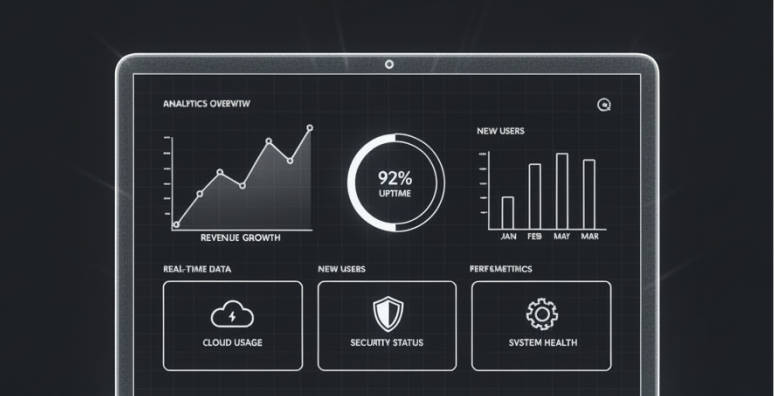
Product design for SaaS
Best for: B2B SaaS, internal tools, admin panels, data-heavy products
- UX flows, hierarchy, dense UI patterns
- Tables, filters, permissions, edge cases, empty states
- Build-ready UI with scalable components
Deliverables: key flows, high-fidelity screens, prototype, handoff specs
UX audit and redesign plan
Best for: products that feel messy, slow, inconsistent, or hard to use
- Heuristic audit, UX debt mapping, friction points
- Priority-ranked issues with quick wins
- Redesign plan that reduces risk and scope
Deliverables: audit report, severity list, recommendations, execution roadmap
MVP Design (from 0 > 1)
Best for: products that feel messy, slow, inconsistent, or hard to use
- Define minimal scope without killing the UX
- Prototype core flows, validate assumptions
- Prepare for fast development cycles
Deliverables: MVP scope, user flows, UI screens, clickable prototype
Design system in Figma
Best for: products that feel messy, slow, inconsistent, or hard to use
- Tokens, components, variants, documentation
- Governance: rules to prevent component chaos
- Faster design and cleaner implementation
Deliverables: system library, usage guidelines, handoff mapping
Marketing websites and landing pages
Best for: acquisition, positioning, credibility, conversion
- Information architecture and message hierarchy
- Conversion-focused layouts, trust building, responsive UI
- Optional A/B-ready variants
Deliverables: page designs, responsive states, component set, copy structure
Implementation support and design QA
Best for: teams that want fewer design-to-dev mistakes
- Dev handoff, annotations, component mapping
- QA on implemented UI, consistency checks
- Support through release
Deliverables: handoff package, QA checklist, review notes
Engagement models
Choose the engagement model that matches how your team works today. Some teams need a defined project with a clear finish line, others need ongoing momentum, and some need an embedded designer to keep quality and speed high as they ship.
Project based
A focused engagement with a clear finish line, ideal when you have a specific goal and want it delivered without scope drift. It works best for a defined redesign, an MVP, a landing page, or a contained improvement where speed and clarity matter.
How it runs
We start with a short kickoff to align on the real problem, success criteria, and scope boundaries. Then we move through a small set of milestones with tight review loops, so decisions do not stall. The engagement ends with a clean handoff and a QA pass to make sure what we designed is what gets shipped.
What you get
A clear plan, build-ready designs, and the rationale behind key decisions. Your Figma files are organized for implementation, and the outcome is something your team can ship, not a collection of nice-looking screens.
Monthly retainer
A steady design engine for teams that ship continuously, best when the backlog never ends and you want consistent progress without repeatedly restarting context. This is the right model for ongoing feature work, iterative improvements, UX debt cleanup, and design system growth.
How it runs
We agree on a monthly capacity and keep the workflow simple: weekly priorities, fast cycles, and regular check-ins. We choose the highest-impact work, execute, ship, and repeat, while keeping scope realistic and decisions crisp.
What you get
A reliable weekly output, fewer delays caused by back-and-forth, and a product that becomes clearer over time instead of more chaotic. You also get a partner who accumulates domain context and proactively spots issues before they turn into rework.
Team extension
A high-collaboration model where I operate inside your team rhythm, best when speed matters and close alignment with product and engineering is non-negotiable. It is a strong fit for fast-moving teams where requirements evolve mid-flight and decisions need to happen in the moment.
How it runs
I join your key rituals and stay close to the work: planning, reviews, and the conversations that shape scope. I collaborate directly with engineering to reduce interpretation gaps, and we run continuous delivery cycles where design and build stay connected.
What you get
You get high-context decisions that hold up under pressure, fewer misunderstandings, and fewer costly reworks. The team moves faster, quality stays consistent, and the product benefits from a designer who is truly in the loop.
Advisory / Design leadership support
A leadership layer for teams that are building but need sharper direction, best when execution exists yet consistency and decision quality are uneven. This is a good fit when you want to raise the bar, simplify how the team works, and reduce debate without adding headcount.
How it runs
We run weekly or bi-weekly sessions focused on what is blocking progress, supported by async reviews on key flows and screens. When needed, we use targeted workshops to align the team, clarify standards, and make the next steps obvious.
What you get
You get faster decisions, a clearer quality bar, and a system your team can follow with confidence. The result shows up in shipping quality and team alignment, not in theoretical documents.


From complex to simple:
Clarity you can build
When the product feels heavy, teams lose time to back-and-forth. I turn complexity into clear decisions and build-ready design, so you can move fast without breaking consistency.
What I can help with
MVP Design (from 0 > 1)
Best for: products that feel messy, slow, inconsistent, or hard to use
- Define minimal scope without killing the UX
- Prototype core flows, validate assumptions
- Prepare for fast development cycles
Deliverables: MVP scope, user flows, UI screens, clickable prototype
Product design for SaaS
Best for: B2B SaaS, internal tools, admin panels, data-heavy products
- UX flows, hierarchy, dense UI patterns
- Tables, filters, permissions, edge cases, empty states
- Build-ready UI with scalable components
Deliverables: key flows, high-fidelity screens, prototype, handoff specs
UX audit and redesign plan
Best for: products that feel messy, slow, inconsistent, or hard to use
- Heuristic audit, UX debt mapping, friction points
- Priority-ranked issues with quick wins
- Redesign plan that reduces risk and scope
Deliverables: audit report, severity list, recommendations, execution roadmap
Design system in Figma
Best for: products that feel messy, slow, inconsistent, or hard to use
- Tokens, components, variants, documentation
- Governance: rules to prevent component chaos
- Faster design and cleaner implementation
Deliverables: system library, usage guidelines, handoff mapping
Marketing websites and landing pages
Best for: acquisition, positioning, credibility, conversion
- Information architecture and message hierarchy
- Conversion-focused layouts, trust building, responsive UI
- Optional A/B-ready variants
Deliverables: page designs, responsive states, component set, copy structure
Implementation support and design QA
Best for: teams that want fewer design-to-dev mistakes
- Dev handoff, annotations, component mapping
- QA on implemented UI, consistency checks
- Support through release
Deliverables: handoff package, QA checklist, review notes
Engagement models
Choose the engagement model that matches how your team works today. Some teams need a defined project with a clear finish line, others need ongoing momentum, and some need an embedded designer to keep quality and speed high as they ship.
Project based
A focused engagement with a clear finish line, ideal when you have a specific goal and want it delivered without scope drift. It works best for a defined redesign, an MVP, a landing page, or a contained improvement where speed and clarity matter.
How it runs
We start with a short kickoff to align on the real problem, success criteria, and scope boundaries. Then we move through a small set of milestones with tight review loops, so decisions do not stall. The engagement ends with a clean handoff and a QA pass to make sure what we designed is what gets shipped.
What you get
A clear plan, build-ready designs, and the rationale behind key decisions. Your Figma files are organized for implementation, and the outcome is something your team can ship, not a collection of nice-looking screens.
Monthly retainer
A steady design engine for teams that ship continuously, best when the backlog never ends and you want consistent progress without repeatedly restarting context. This is the right model for ongoing feature work, iterative improvements, UX debt cleanup, and design system growth.
How it runs
We agree on a monthly capacity and keep the workflow simple: weekly priorities, fast cycles, and regular check-ins. We choose the highest-impact work, execute, ship, and repeat, while keeping scope realistic and decisions crisp.
What you get
A reliable weekly output, fewer delays caused by back-and-forth, and a product that becomes clearer over time instead of more chaotic. You also get a partner who accumulates domain context and proactively spots issues before they turn into rework.
Team extension
A high-collaboration model where I operate inside your team rhythm, best when speed matters and close alignment with product and engineering is non-negotiable. It is a strong fit for fast-moving teams where requirements evolve mid-flight and decisions need to happen in the moment.
How it runs
I join your key rituals and stay close to the work: planning, reviews, and the conversations that shape scope. I collaborate directly with engineering to reduce interpretation gaps, and we run continuous delivery cycles where design and build stay connected.
What you get
You get high-context decisions that hold up under pressure, fewer misunderstandings, and fewer costly reworks. The team moves faster, quality stays consistent, and the product benefits from a designer who is truly in the loop.
Advisory / Design leadership support
A leadership layer for teams that are building but need sharper direction, best when execution exists yet consistency and decision quality are uneven. This is a good fit when you want to raise the bar, simplify how the team works, and reduce debate without adding headcount.
How it runs
We run weekly or bi-weekly sessions focused on what is blocking progress, supported by async reviews on key flows and screens. When needed, we use targeted workshops to align the team, clarify standards, and make the next steps obvious.
What you get
You get faster decisions, a clearer quality bar, and a system your team can follow with confidence. The result shows up in shipping quality and team alignment, not in theoretical documents.

Services
About
Contact

From complex to simple:
Clarity you can build
When the product feels heavy, teams lose time to back-and-forth. I turn complexity into clear decisions and build-ready design, so you can move fast without breaking consistency.
What I can help with
Product design for SaaS
Best for: B2B SaaS, internal tools, admin panels, data-heavy products
- UX flows, hierarchy, dense UI patterns
- Tables, filters, permissions, edge cases, empty states
- Build-ready UI with scalable components
Deliverables: key flows, high-fidelity screens, prototype, handoff specs
UX audit and redesign plan
Best for: products that feel messy, slow, inconsistent, or hard to use
- Heuristic audit, UX debt mapping, friction points
- Priority-ranked issues with quick wins
- Redesign plan that reduces risk and scope
Deliverables: audit report, severity list, recommendations, execution roadmap
MVP Design (from 0 > 1)
Best for: products that feel messy, slow, inconsistent, or hard to use
- Define minimal scope without killing the UX
- Prototype core flows, validate assumptions
- Prepare for fast development cycles
Deliverables: MVP scope, user flows, UI screens, clickable prototype
Design system in Figma
Best for: products that feel messy, slow, inconsistent, or hard to use
- Tokens, components, variants, documentation
- Governance: rules to prevent component chaos
- Faster design and cleaner implementation
Deliverables: system library, usage guidelines, handoff mapping
Marketing websites and landing pages
Best for: acquisition, positioning, credibility, conversion
- Information architecture and message hierarchy
- Conversion-focused layouts, trust building, responsive UI
- Optional A/B-ready variants
Deliverables: page designs, responsive states, component set, copy structure
Implementation support and design QA
Best for: teams that want fewer design-to-dev mistakes
- Dev handoff, annotations, component mapping
- QA on implemented UI, consistency checks
- Support through release
Deliverables: handoff package, QA checklist, review notes
Engagement models
Choose the engagement model that matches how your team works today. Some teams need a defined project with a clear finish line, others need ongoing momentum, and some need an embedded designer to keep quality and speed high as they ship.
Project based
A focused engagement with a clear finish line, ideal when you have a specific goal and want it delivered without scope drift. It works best for a defined redesign, an MVP, a landing page, or a contained improvement where speed and clarity matter.
How it runs
We start with a short kickoff to align on the real problem, success criteria, and scope boundaries. Then we move through a small set of milestones with tight review loops, so decisions do not stall. The engagement ends with a clean handoff and a QA pass to make sure what we designed is what gets shipped.
What you get
A clear plan, build-ready designs, and the rationale behind key decisions. Your Figma files are organized for implementation, and the outcome is something your team can ship, not a collection of nice-looking screens.
Monthly retainer
A steady design engine for teams that ship continuously, best when the backlog never ends and you want consistent progress without repeatedly restarting context. This is the right model for ongoing feature work, iterative improvements, UX debt cleanup, and design system growth.
How it runs
We agree on a monthly capacity and keep the workflow simple: weekly priorities, fast cycles, and regular check-ins. We choose the highest-impact work, execute, ship, and repeat, while keeping scope realistic and decisions crisp.
What you get
A reliable weekly output, fewer delays caused by back-and-forth, and a product that becomes clearer over time instead of more chaotic. You also get a partner who accumulates domain context and proactively spots issues before they turn into rework.
Team extension
A high-collaboration model where I operate inside your team rhythm, best when speed matters and close alignment with product and engineering is non-negotiable. It is a strong fit for fast-moving teams where requirements evolve mid-flight and decisions need to happen in the moment.
How it runs
I join your key rituals and stay close to the work: planning, reviews, and the conversations that shape scope. I collaborate directly with engineering to reduce interpretation gaps, and we run continuous delivery cycles where design and build stay connected.
What you get
You get high-context decisions that hold up under pressure, fewer misunderstandings, and fewer costly reworks. The team moves faster, quality stays consistent, and the product benefits from a designer who is truly in the loop.
Advisory / Design leadership support
A leadership layer for teams that are building but need sharper direction, best when execution exists yet consistency and decision quality are uneven. This is a good fit when you want to raise the bar, simplify how the team works, and reduce debate without adding headcount.
How it runs
We run weekly or bi-weekly sessions focused on what is blocking progress, supported by async reviews on key flows and screens. When needed, we use targeted workshops to align the team, clarify standards, and make the next steps obvious.
What you get
You get faster decisions, a clearer quality bar, and a system your team can follow with confidence. The result shows up in shipping quality and team alignment, not in theoretical documents.
Services
About
Contact

From complex to simple:
Clarity you can build
When the product feels heavy, teams lose time to back-and-forth. I turn complexity into clear decisions and build-ready design, so you can move fast without breaking consistency.
What I can help with
Product design for SaaS
Best for: B2B SaaS, internal tools, admin panels, data-heavy products
- UX flows, hierarchy, dense UI patterns
- Tables, filters, permissions, edge cases, empty states
- Build-ready UI with scalable components
Deliverables: key flows, high-fidelity screens, prototype, handoff specs
UX audit and redesign plan
Best for: products that feel messy, slow, inconsistent, or hard to use
- Heuristic audit, UX debt mapping, friction points
- Priority-ranked issues with quick wins
- Redesign plan that reduces risk and scope
Deliverables: audit report, severity list, recommendations, execution roadmap
MVP Design (from 0 > 1)
Best for: early-stage products and new modules
- Define minimal scope without killing the UX
- Prototype core flows, validate assumptions
- Prepare for fast development cycles
Deliverables: MVP scope, user flows, UI screens, clickable prototype
Design system in Figma
Best for: teams scaling, multiple designers/devs, inconsistent UI
- Tokens, components, variants, documentation
- Governance: rules to prevent component chaos
- Faster design and cleaner implementation
Deliverables: system library, usage guidelines, handoff mapping
Marketing websites and landing pages
Best for: acquisition, positioning, credibility, conversion
- Information architecture and message hierarchy
- Conversion-focused layouts, trust building, responsive UI
- Optional A/B-ready variants
Deliverables: page designs, responsive states, component set, copy structure
Implementation support and design QA
Best for: teams that want fewer design-to-dev mistakes
- Dev handoff, annotations, component mapping
- QA on implemented UI, consistency checks
- Support through release
Deliverables: handoff package, QA checklist, review notes
Engagement models
Choose the engagement model that matches how your team works today. Some teams need a defined project with a clear finish line, others need ongoing momentum, and some need an embedded designer to keep quality and speed high as they ship.
Project based
A focused engagement with a clear finish line, ideal when you have a specific goal and want it delivered without scope drift. It works best for a defined redesign, an MVP, a landing page, or a contained improvement where speed and clarity matter.
How it runs
We start with a short kickoff to align on the real problem, success criteria, and scope boundaries. Then we move through a small set of milestones with tight review loops, so decisions do not stall. The engagement ends with a clean handoff and a QA pass to make sure what we designed is what gets shipped.
What you get
A clear plan, build-ready designs, and the rationale behind key decisions. Your Figma files are organized for implementation, and the outcome is something your team can ship, not a collection of nice-looking screens.
Monthly retainer
A steady design engine for teams that ship continuously, best when the backlog never ends and you want consistent progress without repeatedly restarting context. This is the right model for ongoing feature work, iterative improvements, UX debt cleanup, and design system growth.
How it runs
We agree on a monthly capacity and keep the workflow simple: weekly priorities, fast cycles, and regular check-ins. We choose the highest-impact work, execute, ship, and repeat, while keeping scope realistic and decisions crisp.
What you get
A reliable weekly output, fewer delays caused by back-and-forth, and a product that becomes clearer over time instead of more chaotic. You also get a partner who accumulates domain context and proactively spots issues before they turn into rework.
Team extension
A high-collaboration model where I operate inside your team rhythm, best when speed matters and close alignment with product and engineering is non-negotiable. It is a strong fit for fast-moving teams where requirements evolve mid-flight and decisions need to happen in the moment.
How it runs
I join your key rituals and stay close to the work: planning, reviews, and the conversations that shape scope. I collaborate directly with engineering to reduce interpretation gaps, and we run continuous delivery cycles where design and build stay connected.
What you get
You get high-context decisions that hold up under pressure, fewer misunderstandings, and fewer costly reworks. The team moves faster, quality stays consistent, and the product benefits from a designer who is truly in the loop.
Advisory / Design leadership support
A leadership layer for teams that are building but need sharper direction, best when execution exists yet consistency and decision quality are uneven. This is a good fit when you want to raise the bar, simplify how the team works, and reduce debate without adding headcount.
How it runs
We run weekly or bi-weekly sessions focused on what is blocking progress, supported by async reviews on key flows and screens. When needed, we use targeted workshops to align the team, clarify standards, and make the next steps obvious.
What you get
You get faster decisions, a clearer quality bar, and a system your team can follow with confidence. The result shows up in shipping quality and team alignment, not in theoretical documents.

Services
About
Contact