

arzumanyan.design@gmail.com
@arzharut
From complex to simple:Product design that actually ships
I am Harut Arzumanyan, a Product Designer who works as a one person product design team. I help founders and product leaders frame the problem, map the system, and turn vague ideas into clear, developer ready interfaces. I focus on complex tools, dashboards, and SaaS where clarity and speed matter most.
Resume
Works
2024
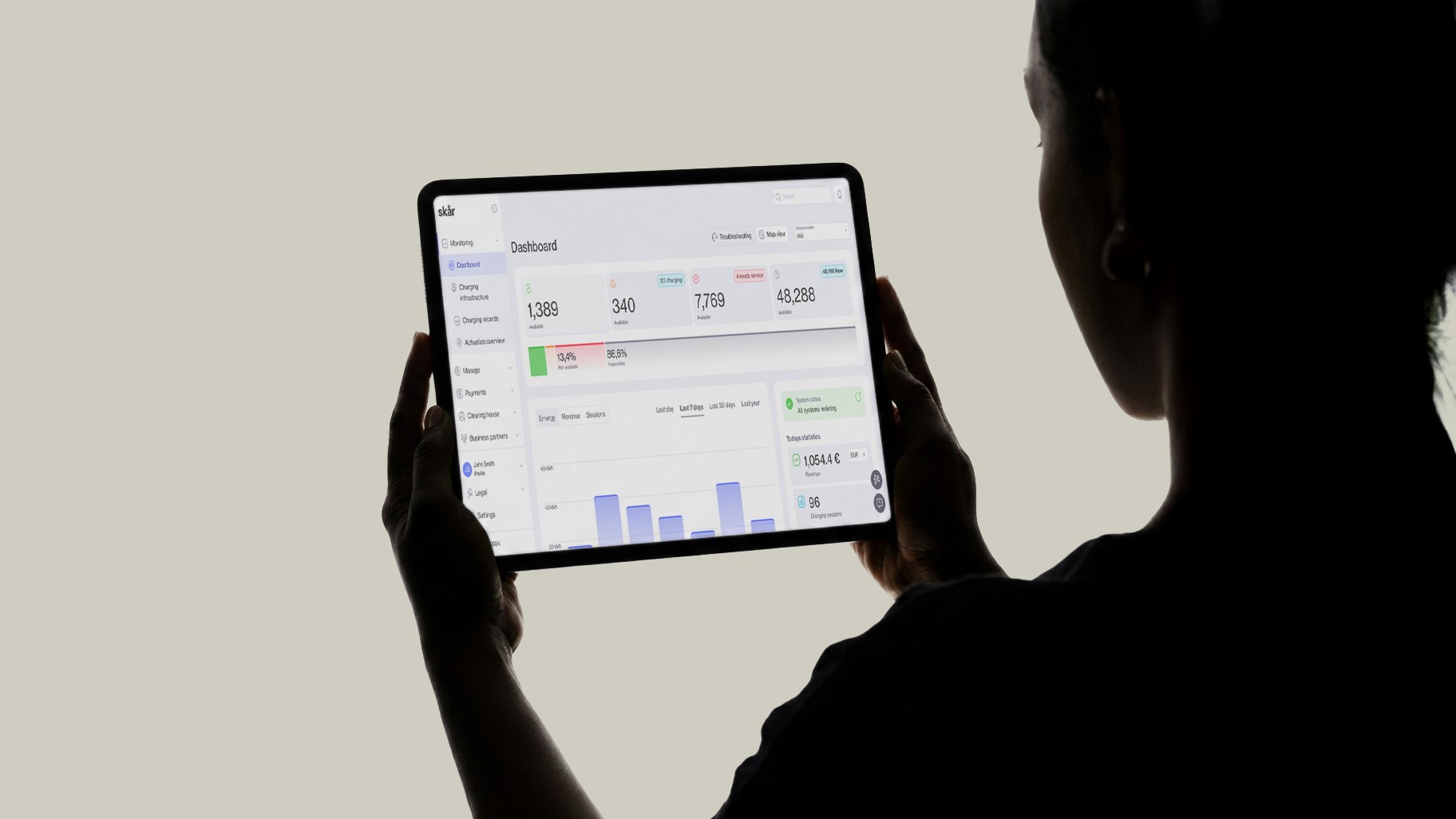
Enerra: Reloaded
Fast redesign and rebrand of a live EV charging admin platform to restore clarity in navigation, status meaning, and UI hierarchy. The focus was a consistent visual language, less ambiguity in indicators, and easier scanning for both smaller CPOs and large-scale operators. Delivered under strict constraints, without a backend rewrite and with limited engineering capacity.
View case

2025
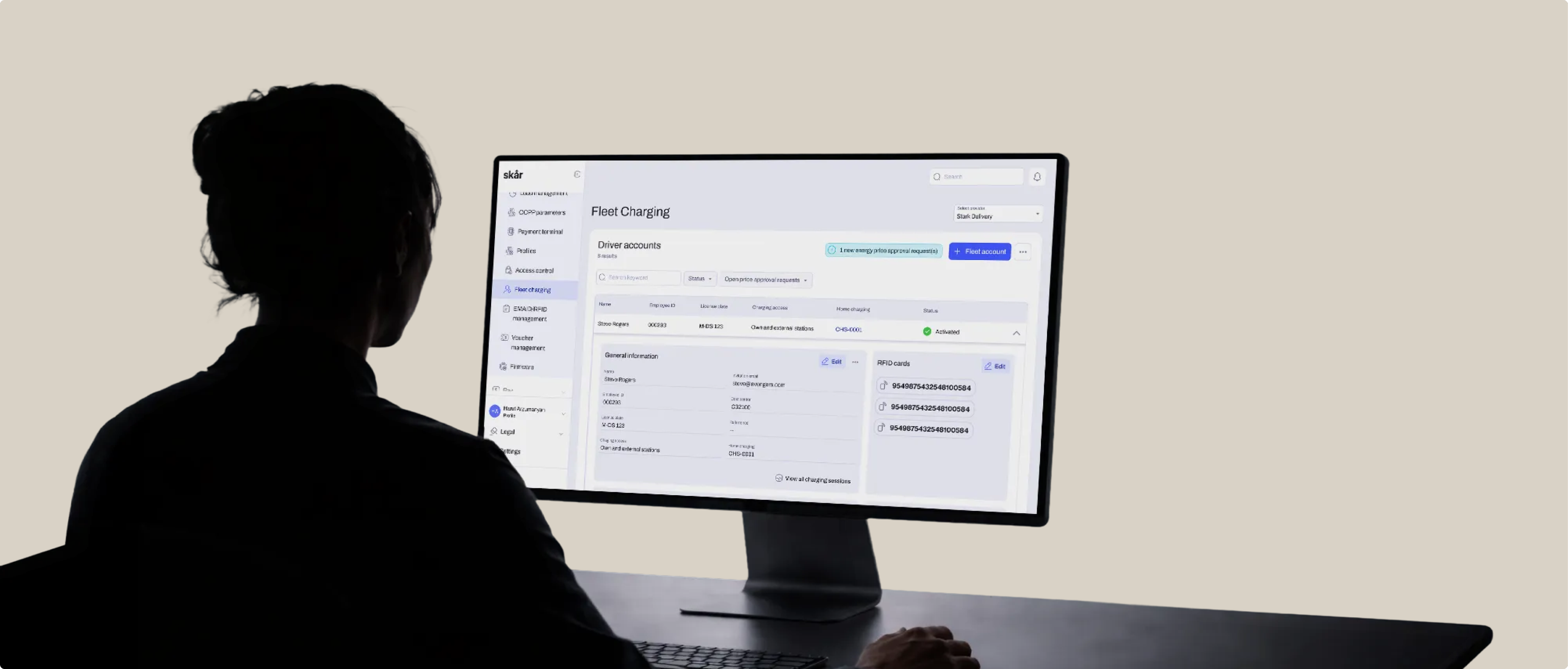
Enerra: Evolution
Workflow-focused evolution once the interface stopped being the bottleneck. Improvements centered on onboarding and setup reliability, dependency-aware wizards, and table-based operations used daily by support and operations teams. Added alerting and EV driver management, reduced context switching, and introduced faster paths for experienced users while staying approachable for newer teams.
View case
2023
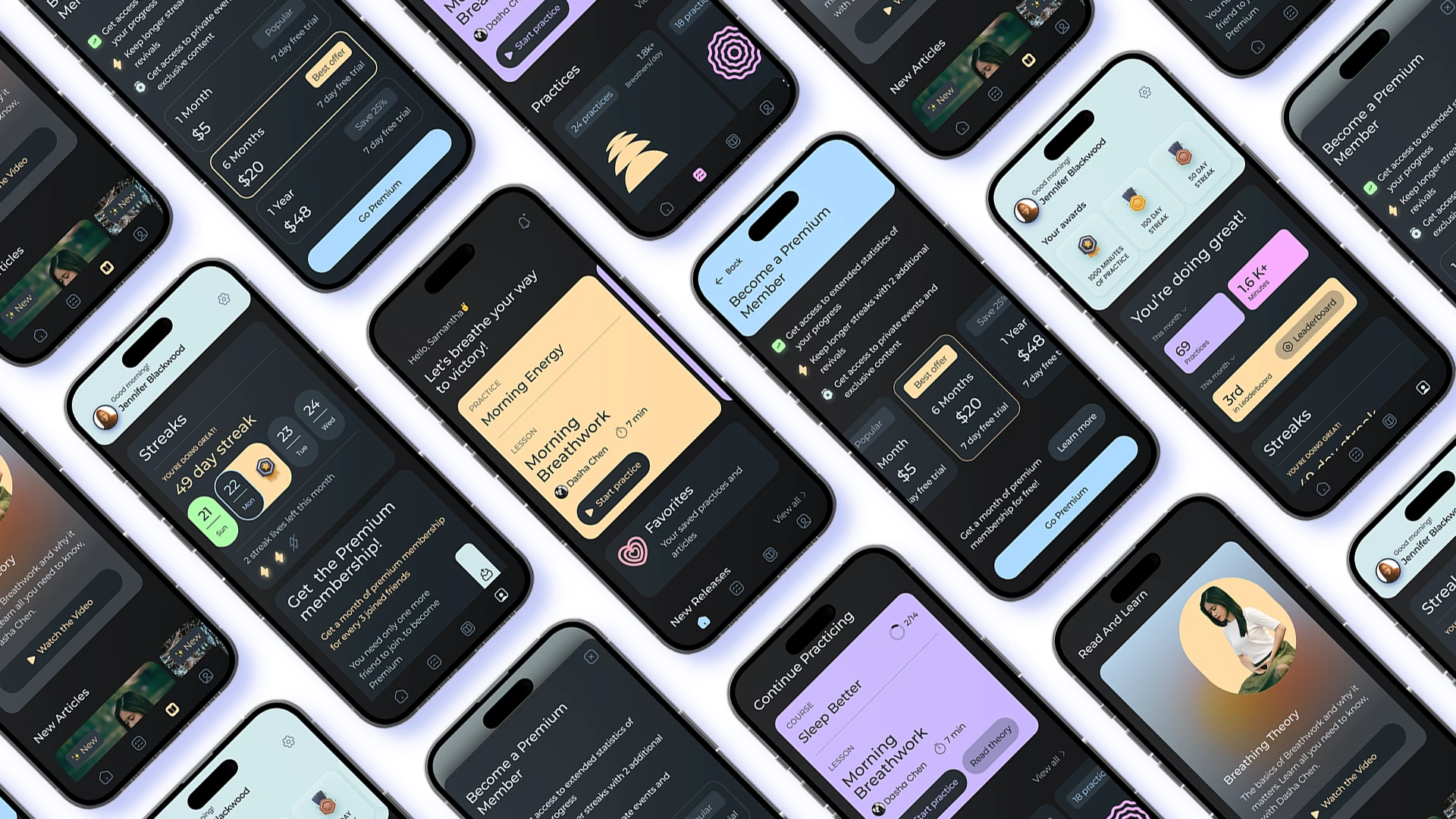
Zeneye
Zeneye is a mindfulness and meditation mobile app designed to help people build calm, focus, and consistent reflective habits through guided sessions and personalized journeys. The experience prioritizes a serene, low-friction flow: minimal UI, soothing visuals, and clear navigation, so users can explore breathing, relaxation, and meditation techniques without cognitive load. Personalized goals, recommendations, and progress tracking turn one-off sessions into repeat engagement.
View case
2020
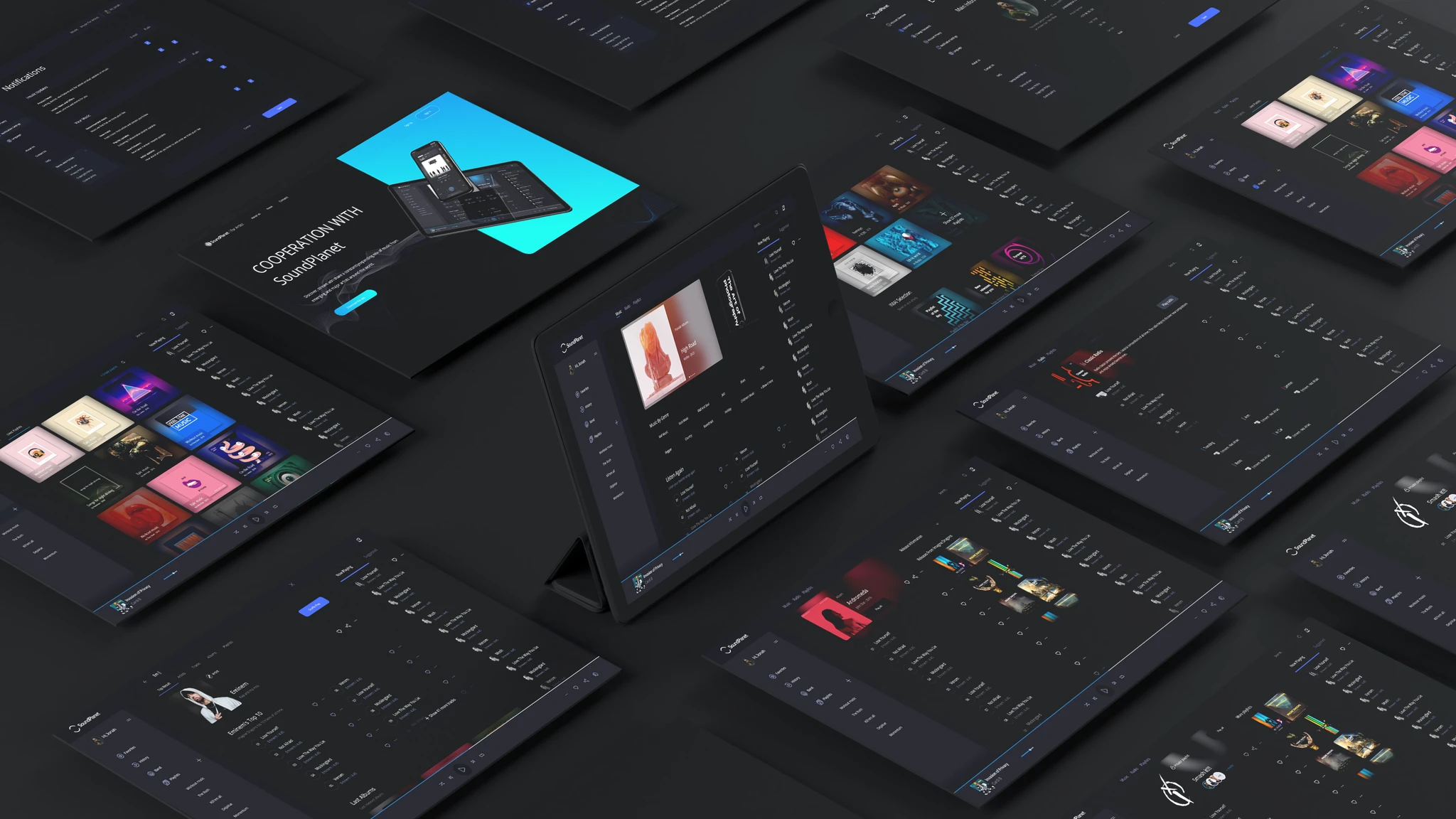
Soundplanet
SoundPlanet is an Armenian music streaming service designed to deliver personalized discovery, playlist creation, and on-demand listening experiences across iOS, Android, and web platforms. The product aimed to compete with global players by delivering a tailored experience focused on regional content, intuitive discovery, and modern usability.
View case
How I move from complex to Simple
00
//So it begins
01
Diagnose the problem, not just the brief
The process starts by clarifying why design is needed and what is actually happening in the product. Business goals, current metrics, user feedback, and constraints such as timeline and tech stack are reviewed. The focus is on asking direct questions until the core problem and context are fully understood. The outcome is a clear problem statement and a short, agreed list of priorities.
02
Map the system and flows
With the problem defined, the surrounding product area is mapped in detail. This includes key user journeys, states, edge cases, permissions, and dependencies with other systems or teams. For complex dashboards or SaaS products, a compact system map is created to show how everything connects. The outcome is shared understanding, not just isolated screens, so everyone knows what is being changed and why.
03
Design the structure before the screens
Focusing on structure, not decoration. Information architecture, flows, and low fidelity layouts are used to define logic, decision points, and potential friction. Validation happens with stakeholders and, when possible, with real users or internal teams. Only after the structure proves solid do high fidelity interfaces follow, aligned with the existing brand or product language.
04
Build or align the design system
At this stage, the work connects to a design system. If a system exists, new designs are aligned with it and major inconsistencies are addressed where feasible. If there is no system, a focused, minimal set of reusable components and rules is created to support this and future work. The goal is to reduce one off solutions and support scalable, consistent product growth.
05
Prepare for implementation and future iterations
The final step prepares the work for smooth implementation and ongoing improvement. Designs are delivered with clear specs, states, and edge cases, so engineers do not have to guess. A short walkthrough or clarification round ensures alignment between product, design, and engineering. After release, initial results and feedback are used to decide what to refine next, so the work keeps evolving instead of becoming static.
I’m Harut!
I am Harut Arzumanyan, a Product Designer focused on complex products, systems, and practical outcomes. My work sits at the intersection of UX, product thinking, and design systems. I like products where there are constraints, dependencies, legacy, and real business pressure, not clean theory.
Most of my experience is with SaaS, dashboards, internal tools, and management systems. I work well in environments where information is scattered, priorities change often, and decisions need to be made without perfect data. My default move is to bring structure: clarify the problem, map the flows, define patterns, and only then polish the interface.
I write, teach, and build resources because it forces me to formalize how I think. The book “Enough With The Pretty,” the upcoming “The Grid,” and the Fenrir design system are all parts of the same idea. Design is a system that should help teams move faster, not a collection of nice screens. Teaching confirmed this. Students with no background reached mid and senior roles by learning to think in systems, not tricks.
I prefer direct communication, clear expectations, and measurable impact. I am comfortable joining as a one person product design team, working with founders, PMs, and engineers at the same time. Based in Valencia and working remotely with teams across Europe, I speak English, Russian, and Armenian, which helps when products and teams are distributed.
If you need someone to untangle a product area, design a system around it, and help your team ship with more confidence and less noise, this is where I am useful.
Let’s connect


arzumanyan.design@gmail.com

@arzharut
From complex to simple:Product design that actually ships
I am Harut Arzumanyan, a Product Designer who works as a one person product design team. I help founders and product leaders frame the problem, map the system, and turn vague ideas into clear, developer ready interfaces. I focus on complex tools, dashboards, and SaaS where clarity and speed matter most.
Resume
Works
Enerra: Reloaded
2024
Fast redesign and rebrand of a live EV charging admin platform to restore clarity in navigation, status meaning, and UI hierarchy. The focus was a consistent visual language, less ambiguity in indicators, and easier scanning for both smaller CPOs and large-scale operators. Delivered under strict constraints, without a backend rewrite and with limited engineering capacity.
View case
Enerra: Evolution
2025
Workflow-focused evolution once the interface stopped being the bottleneck. Improvements centered on onboarding and setup reliability, dependency-aware wizards, and table-based operations used daily by support and operations teams. Added alerting and EV driver management, reduced context switching, and introduced faster paths for experienced users while staying approachable for newer teams.
View case
Zeneye
2023
Zeneye is a mindfulness and meditation mobile app designed to help people build calm, focus, and consistent reflective habits through guided sessions and personalized journeys. The experience prioritizes a serene, low-friction flow: minimal UI, soothing visuals, and clear navigation, so users can explore breathing, relaxation, and meditation techniques without cognitive load. Personalized goals, recommendations, and progress tracking turn one-off sessions into repeat engagement.
View case
Soundplanet
2020
SoundPlanet is an Armenian music streaming service designed to deliver personalized discovery, playlist creation, and on-demand listening experiences across iOS, Android, and web platforms. The product aimed to compete with global players by delivering a tailored experience focused on regional content, intuitive discovery, and modern usability.
View case
How I move from complex to Simple
00
//So it begins
01
Diagnose the problem, not just the brief
The process starts by clarifying why design is needed and what is actually happening in the product. Business goals, current metrics, user feedback, and constraints such as timeline and tech stack are reviewed. The focus is on asking direct questions until the core problem and context are fully understood. The outcome is a clear problem statement and a short, agreed list of priorities.
02
Map the system and flows
With the problem defined, the surrounding product area is mapped in detail. This includes key user journeys, states, edge cases, permissions, and dependencies with other systems or teams. For complex dashboards or SaaS products, a compact system map is created to show how everything connects. The outcome is shared understanding, not just isolated screens, so everyone knows what is being changed and why.
03
Design the structure before the screens
Focusing on structure, not decoration. Information architecture, flows, and low fidelity layouts are used to define logic, decision points, and potential friction. Validation happens with stakeholders and, when possible, with real users or internal teams. Only after the structure proves solid do high fidelity interfaces follow, aligned with the existing brand or product language.
04
Build or align the design system
At this stage, the work connects to a design system. If a system exists, new designs are aligned with it and major inconsistencies are addressed where feasible. If there is no system, a focused, minimal set of reusable components and rules is created to support this and future work. The goal is to reduce one off solutions and support scalable, consistent product growth.
05
Prepare for implementation and future iterations
The final step prepares the work for smooth implementation and ongoing improvement. Designs are delivered with clear specs, states, and edge cases, so engineers do not have to guess. A short walkthrough or clarification round ensures alignment between product, design, and engineering. After release, initial results and feedback are used to decide what to refine next, so the work keeps evolving instead of becoming static.
I’m Harut!
I am Harut Arzumanyan, a Product Designer focused on complex products, systems, and practical outcomes. My work sits at the intersection of UX, product thinking, and design systems. I like products where there are constraints, dependencies, legacy, and real business pressure, not clean theory.
Most of my experience is with SaaS, dashboards, internal tools, and management systems. I work well in environments where information is scattered, priorities change often, and decisions need to be made without perfect data. My default move is to bring structure: clarify the problem, map the flows, define patterns, and only then polish the interface.
I write, teach, and build resources because it forces me to formalize how I think. The book “Enough With The Pretty,” the upcoming “The Grid,” and the Fenrir design system are all parts of the same idea. Design is a system that should help teams move faster, not a collection of nice screens. Teaching confirmed this. Students with no background reached mid and senior roles by learning to think in systems, not tricks.
I prefer direct communication, clear expectations, and measurable impact. I am comfortable joining as a one person product design team, working with founders, PMs, and engineers at the same time. Based in Valencia and working remotely with teams across Europe, I speak English, Russian, and Armenian, which helps when products and teams are distributed.
If you need someone to untangle a product area, design a system around it, and help your team ship with more confidence and less noise, this is where I am useful.
Let’s connect


Services
About
Contact
arzumanyan.design@gmail.com

@arzharut
From complex to simple:Product design that actually ships
I am Harut Arzumanyan, a Product Designer who works as a one person product design team. I help founders and product leaders frame the problem, map the system, and turn vague ideas into clear, developer ready interfaces. I focus on complex tools, dashboards, and SaaS where clarity and speed matter most.
Resume
Works
2024
Enerra: Reloaded
Fast redesign and rebrand of a live EV charging admin platform to restore clarity in navigation, status meaning, and UI hierarchy. The focus was a consistent visual language, less ambiguity in indicators, and easier scanning for both smaller CPOs and large-scale operators. Delivered under strict constraints, without a backend rewrite and with limited engineering capacity.
View case

2025
Enerra: Evolution
Workflow-focused evolution once the interface stopped being the bottleneck. Improvements centered on onboarding and setup reliability, dependency-aware wizards, and table-based operations used daily by support and operations teams. Added alerting and EV driver management, reduced context switching, and introduced faster paths for experienced users while staying approachable for newer teams.
View case
2023
Zeneye
Zeneye is a mindfulness and meditation mobile app designed to help people build calm, focus, and consistent reflective habits through guided sessions and personalized journeys. The experience prioritizes a serene, low-friction flow: minimal UI, soothing visuals, and clear navigation, so users can explore breathing, relaxation, and meditation techniques without cognitive load. Personalized goals, recommendations, and progress tracking turn one-off sessions into repeat engagement.
View case
2020
Soundplanet
SoundPlanet is an Armenian music streaming service designed to deliver personalized discovery, playlist creation, and on-demand listening experiences across iOS, Android, and web platforms. The product aimed to compete with global players by delivering a tailored experience focused on regional content, intuitive discovery, and modern usability.
View case
How I move from complex to Simple
00
//So it begins
01
Diagnose the problem, not just the brief
The process starts by clarifying why design is needed and what is actually happening in the product. Business goals, current metrics, user feedback, and constraints such as timeline and tech stack are reviewed. The focus is on asking direct questions until the core problem and context are fully understood. The outcome is a clear problem statement and a short, agreed list of priorities.
02
Map the system and flows
With the problem defined, the surrounding product area is mapped in detail. This includes key user journeys, states, edge cases, permissions, and dependencies with other systems or teams. For complex dashboards or SaaS products, a compact system map is created to show how everything connects. The outcome is shared understanding, not just isolated screens, so everyone knows what is being changed and why.
03
Design the structure before the screens
Focusing on structure, not decoration. Information architecture, flows, and low fidelity layouts are used to define logic, decision points, and potential friction. Validation happens with stakeholders and, when possible, with real users or internal teams. Only after the structure proves solid do high fidelity interfaces follow, aligned with the existing brand or product language.
04
Build or align the design system
At this stage, the work connects to a design system. If a system exists, new designs are aligned with it and major inconsistencies are addressed where feasible. If there is no system, a focused, minimal set of reusable components and rules is created to support this and future work. The goal is to reduce one off solutions and support scalable, consistent product growth.
05
Prepare for implementation and future iterations
The final step prepares the work for smooth implementation and ongoing improvement. Designs are delivered with clear specs, states, and edge cases, so engineers do not have to guess. A short walkthrough or clarification round ensures alignment between product, design, and engineering. After release, initial results and feedback are used to decide what to refine next, so the work keeps evolving instead of becoming static.
I’m Harut!
I am Harut Arzumanyan, a Product Designer focused on complex products, systems, and practical outcomes. My work sits at the intersection of UX, product thinking, and design systems. I like products where there are constraints, dependencies, legacy, and real business pressure, not clean theory.
Most of my experience is with SaaS, dashboards, internal tools, and management systems. I work well in environments where information is scattered, priorities change often, and decisions need to be made without perfect data. My default move is to bring structure: clarify the problem, map the flows, define patterns, and only then polish the interface.
I write, teach, and build resources because it forces me to formalize how I think. The book “Enough With The Pretty,” the upcoming “The Grid,” and the Fenrir design system are all parts of the same idea. Design is a system that should help teams move faster, not a collection of nice screens. Teaching confirmed this. Students with no background reached mid and senior roles by learning to think in systems, not tricks.
I prefer direct communication, clear expectations, and measurable impact. I am comfortable joining as a one person product design team, working with founders, PMs, and engineers at the same time. Based in Valencia and working remotely with teams across Europe, I speak English, Russian, and Armenian, which helps when products and teams are distributed.
If you need someone to untangle a product area, design a system around it, and help your team ship with more confidence and less noise, this is where I am useful.
Let’s connect

Services
About
Contact
arzumanyan.design@gmail.com
@arzharut
From complex to simple:Product design that actually ships
I am Harut Arzumanyan, a Product Designer who works as a one person product design team. I help founders and product leaders frame the problem, map the system, and turn vague ideas into clear, developer ready interfaces. I focus on complex tools, dashboards, and SaaS where clarity and speed matter most.
Resume
Works
2024
Enerra: Reloaded
Fast redesign and rebrand of a live EV charging admin platform to restore clarity in navigation, status meaning, and UI hierarchy. The focus was a consistent visual language, less ambiguity in indicators, and easier scanning for both smaller CPOs and large-scale operators. Delivered under strict constraints, without a backend rewrite and with limited engineering capacity.
View case
2025
Enerra: Evolution
Workflow-focused evolution once the interface stopped being the bottleneck. Improvements centered on onboarding and setup reliability, dependency-aware wizards, and table-based operations used daily by support and operations teams. Added alerting and EV driver management, reduced context switching, and introduced faster paths for experienced users while staying approachable for newer teams.
View case
2023
Zeneye
Zeneye is a mindfulness and meditation mobile app designed to help people build calm, focus, and consistent reflective habits through guided sessions and personalized journeys. The experience prioritizes a serene, low-friction flow: minimal UI, soothing visuals, and clear navigation, so users can explore breathing, relaxation, and meditation techniques without cognitive load. Personalized goals, recommendations, and progress tracking turn one-off sessions into repeat engagement.
View case
2020
Soundplanet
SoundPlanet is an Armenian music streaming service designed to deliver personalized discovery, playlist creation, and on-demand listening experiences across iOS, Android, and web platforms. The product aimed to compete with global players by delivering a tailored experience focused on regional content, intuitive discovery, and modern usability.
View case
How I move from complex to Simple
00
//So it begins
01
Diagnose the problem, not just the brief
The process starts by clarifying why design is needed and what is actually happening in the product. Business goals, current metrics, user feedback, and constraints such as timeline and tech stack are reviewed. The focus is on asking direct questions until the core problem and context are fully understood. The outcome is a clear problem statement and a short, agreed list of priorities.
02
Map the system and flows
With the problem defined, the surrounding product area is mapped in detail. This includes key user journeys, states, edge cases, permissions, and dependencies with other systems or teams. For complex dashboards or SaaS products, a compact system map is created to show how everything connects. The outcome is shared understanding, not just isolated screens, so everyone knows what is being changed and why.
03
Design the structure before the screens
Focusing on structure, not decoration. Information architecture, flows, and low fidelity layouts are used to define logic, decision points, and potential friction. Validation happens with stakeholders and, when possible, with real users or internal teams. Only after the structure proves solid do high fidelity interfaces follow, aligned with the existing brand or product language.
04
Build or align the design system
At this stage, the work connects to a design system. If a system exists, new designs are aligned with it and major inconsistencies are addressed where feasible. If there is no system, a focused, minimal set of reusable components and rules is created to support this and future work. The goal is to reduce one off solutions and support scalable, consistent product growth.
05
Prepare for implementation and future iterations
The final step prepares the work for smooth implementation and ongoing improvement. Designs are delivered with clear specs, states, and edge cases, so engineers do not have to guess. A short walkthrough or clarification round ensures alignment between product, design, and engineering. After release, initial results and feedback are used to decide what to refine next, so the work keeps evolving instead of becoming static.
I’m Harut!
I am Harut Arzumanyan, a Product Designer focused on complex products, systems, and practical outcomes. My work sits at the intersection of UX, product thinking, and design systems. I like products where there are constraints, dependencies, legacy, and real business pressure, not clean theory.
Most of my experience is with SaaS, dashboards, internal tools, and management systems. I work well in environments where information is scattered, priorities change often, and decisions need to be made without perfect data. My default move is to bring structure: clarify the problem, map the flows, define patterns, and only then polish the interface.
I write, teach, and build resources because it forces me to formalize how I think. The book “Enough With The Pretty,” the upcoming “The Grid,” and the Fenrir design system are all parts of the same idea. Design is a system that should help teams move faster, not a collection of nice screens. Teaching confirmed this. Students with no background reached mid and senior roles by learning to think in systems, not tricks.
I prefer direct communication, clear expectations, and measurable impact. I am comfortable joining as a one person product design team, working with founders, PMs, and engineers at the same time. Based in Valencia and working remotely with teams across Europe, I speak English, Russian, and Armenian, which helps when products and teams are distributed.
If you need someone to untangle a product area, design a system around it, and help your team ship with more confidence and less noise, this is where I am useful.
Let’s connect
Services
About
Contact